
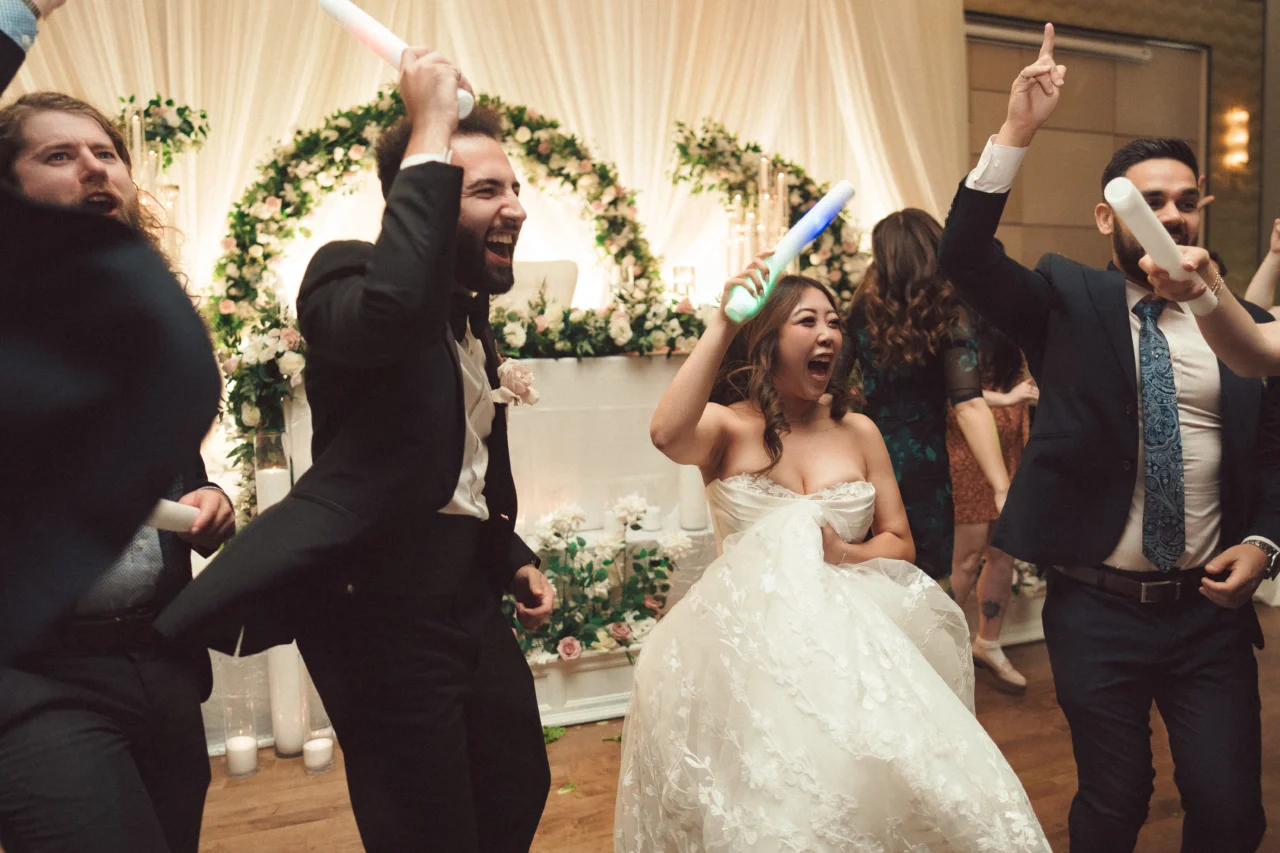
Planning a wedding that honors two cultural backgrounds requires preparation and open communication. As people migrate to other countries, multicultural weddings have become common, each presenting unique opportunities to celebrate diverse traditions.
What Is a Multicultural Wedding
A multicultural wedding brings together traditions, customs, and practices from two different cultural backgrounds. This includes ceremonies that blend religious rituals, cultural attire, traditional foods, and music. These celebrations reflect the heritage of both partners and their families, creating a ceremony or ceremonies that represent their blended identity.
Why Multicultural Weddings Need Extra Planning
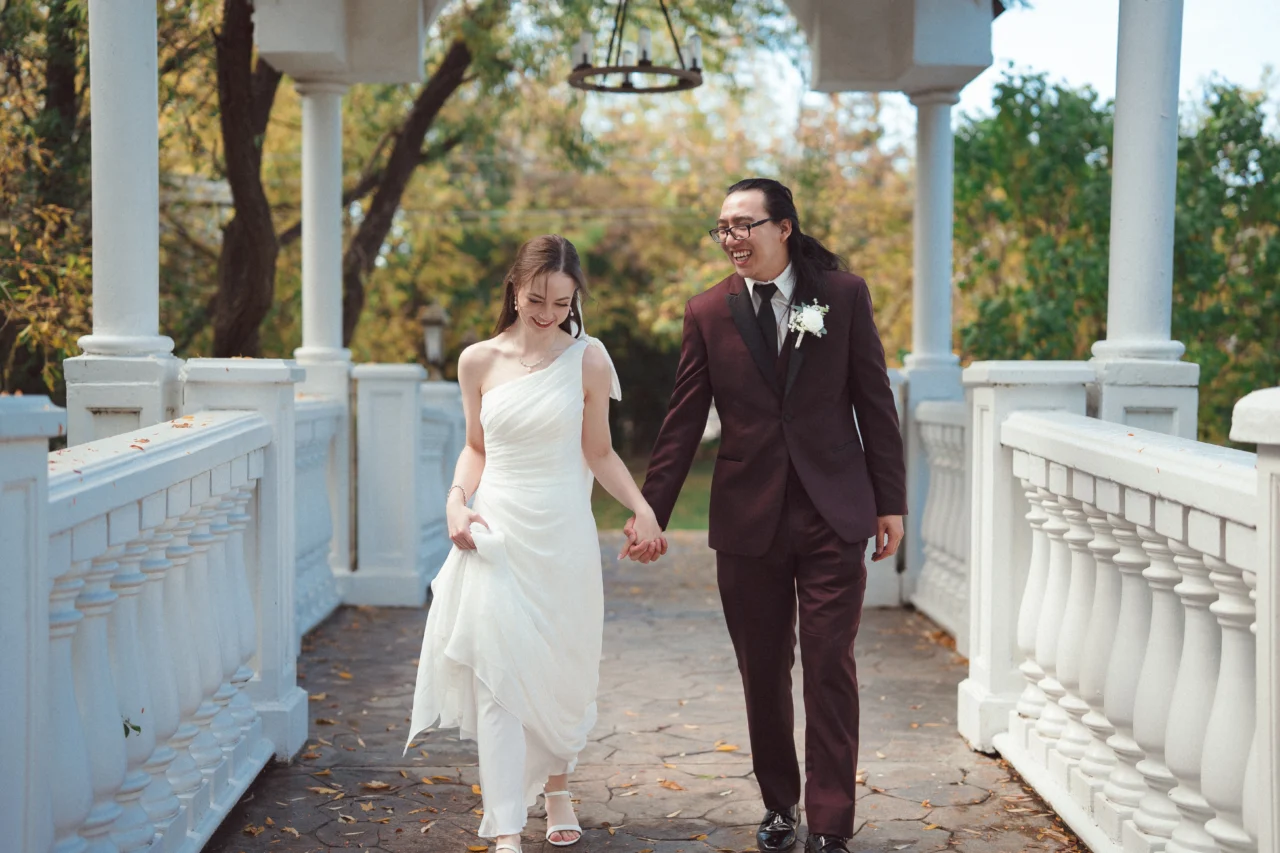
The challenge with multicultural weddings is making sure that the specific elements of each culture are catered to. Some common things that influence timelines and logistics include:
- More than once, ceremony formats and/or religious elements of the ceremony take extra time.
- Any cuisine or dietary restrictions specific to the culture
- Adding buffer time to switch into and out of traditional attire
- Cultural expectations
- Language barriers for ceremonies and accommodating guests accordingly
- Venues that can accommodate specific rituals or customs
Key Things Every Couple Should Think About
The first step to planning a multicultural wedding is figuring out, as a couple, what the priorities are and making sure that you list down the non-negotiables. A good way to start is thinking about which traditions hold the most meaning, not only to you but alsotoo our family. For this step, it might be a good idea to involve both families in the decision-making process and discuss what they consider necessary. This conversation will lay the foundation for the wedding day and will help you understand each other’s cultural backgrounds deeply, making sure that both partners and families feel represented.
The Importance of Respect, Balance, and Inclusion
The goal here is to strike a balance between traditions and making sure that one culture does not prioritize over another. To make this as frictionless as possible, approach this with mutual respect and curiosity. This is a chance to be creative and blend elements from both cultures. If you do this right, both families will feel that their heritage is represented appropriately.
Understanding Multicultural Weddings and What Makes Them Unique
Different Beliefs, Traditions, and Family Values
Toronto is one of the most multicultural cities in the world. Some of the cultures that are common in Toronto are South Asian, East Asian, Southeast Asian, Middle Eastern, West Asian, African, Afro-Caribbean, European, Jewish, Latin American, and Indigenous.
Some cultures, like South Asian, have multi-day, family-led rituals that take several days to unfold with multiple ceremonies that heavily emphasize family involvement and collective celebration rather than a single event. Meanwhile, East Asian cultures, like Chinese, Korean, and Japanese, have traditions that are based around honouring parents, elders, and ancestors. Often, this also includes formally acknowledging family hierarchy and continuity.
Understanding these differences will help you make decisions about how to include these elements respectfully.
Cultural Sensitivity and Mutual Respect
Pop culture is one of the biggest culprits in showcasing each culture in a specific way. It’s important to keep clear of these stereotypes when approaching wedding planning. Some of the common stereotypes that are often not true include East Asian people being represented as emotionally reserved in hyper traditional families, or African and Afro-Caribbean people being represented as having loud and dance-heavy, party-first weddings.
Very soon, you’ll find that real multicultural weddings are far more layered than what is suggested by pop culture. A pro tip here would be to not assume that your partner knows anything about your culture and start from the basics.
Emotional and Social Considerations
Planning a wedding like this can take a toll. There are a lot of moving parts and a lot of people involved who need to be on the same page. On top of that, there is a whole new culture that you’re expected to know everything about.
Some family members may have concerns about certain traditions that feel unfamiliar to them. So, not only are you learning about a new culture, you’re passing that knowledge to your family. Approach this with patience and understanding.
Step-by-Step Guide to Planning a Multicultural Wedding in 2026
Step 1: Identify the Core Traditions from Each Culture
A good starting point is that each partner lists essential traditions from their culture. Create another list of nice-to-have options. Consult your parents when doing so. It’s important to understand which traditions can or cannot be modified or omitted.
Next, try to put these in order. These are still two different timelines. Just try to see what parts of the day could look like.
Once each of you has a timeline ready with essential and nice-to-have traditions tagged, now is the time to blend them. Realistically, the day will be long. Remember to give yourself room to breathe in between elements.
We’ve created a free wedding timeline generator that can give you an overview of what your day can look like. Click here to explore that.
Step 2: Have Early Family Talks and Align Expectations
Now that you have a timeline ready that incorporates traditions from both cultures, it’s time to test if it works. Present your timeline to your family, who can give constructive criticism. Keep in mind, this is as new for them as it is for you.
Once you have approval from your family, time to do the same with your partner’s family. It’s also important to note that maintaining boundaries is important. Both families would want to do things their way. Try to finda win-win.
Once both families are happy with the timeline, share it with them so they can review it. This will prevent any misunderstanding moving forward.
Step 3: Handle Legal Paperwork and Language Requirements
This process is straightforward daily. Since you’re getting married in Toronto, the process of obtaining a marriage certificate is a standard procedure. Find more information on that process here.
If your wedding involves religious elements, contact your religious center to check their requirements, fees, paperwork, etc.

Step 4: Choose a Venue That Supports Cultural Needs
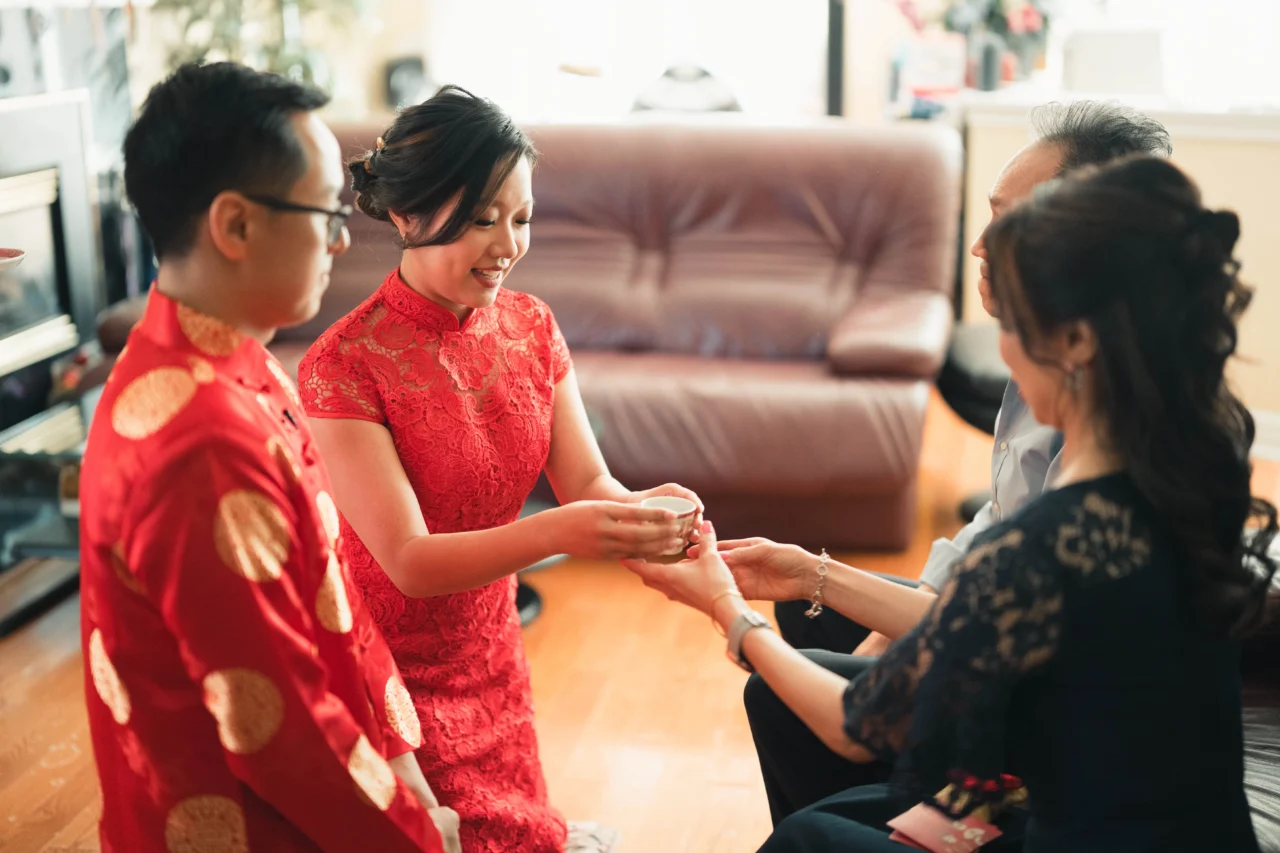
This step is crucial to accommodating your timeline. You might decide to split the activities among multiple venues. For example, if relevant to you, you might decide to do the tea ceremony at the Bride’s home right after the door games, and travel to a venue for the western ceremony.
Alternatively, you might want to do everythingint the same place. To do that, you’ll either need to have a big space with multiple rooms or be creative and repurpose rooms by moving the guests to another room temporarily.
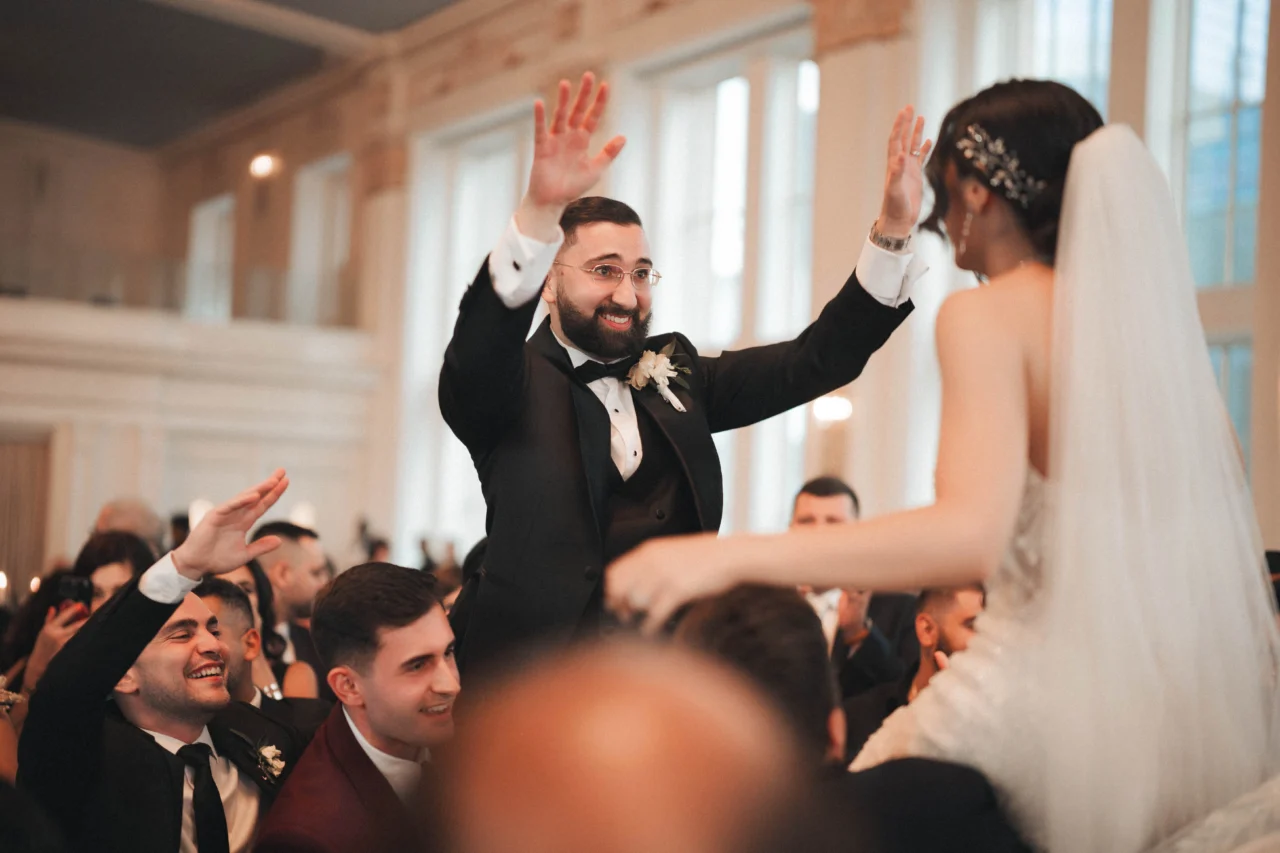
For something like a lion dance, you’d want to make sure that your reception space is big enough. For something like a Baraat or Zaffe, you’ll want to confirm that the venue allows processions, live music, and movement through the space without restrictions.
Step 5: Design a Ceremony That Blends Traditions
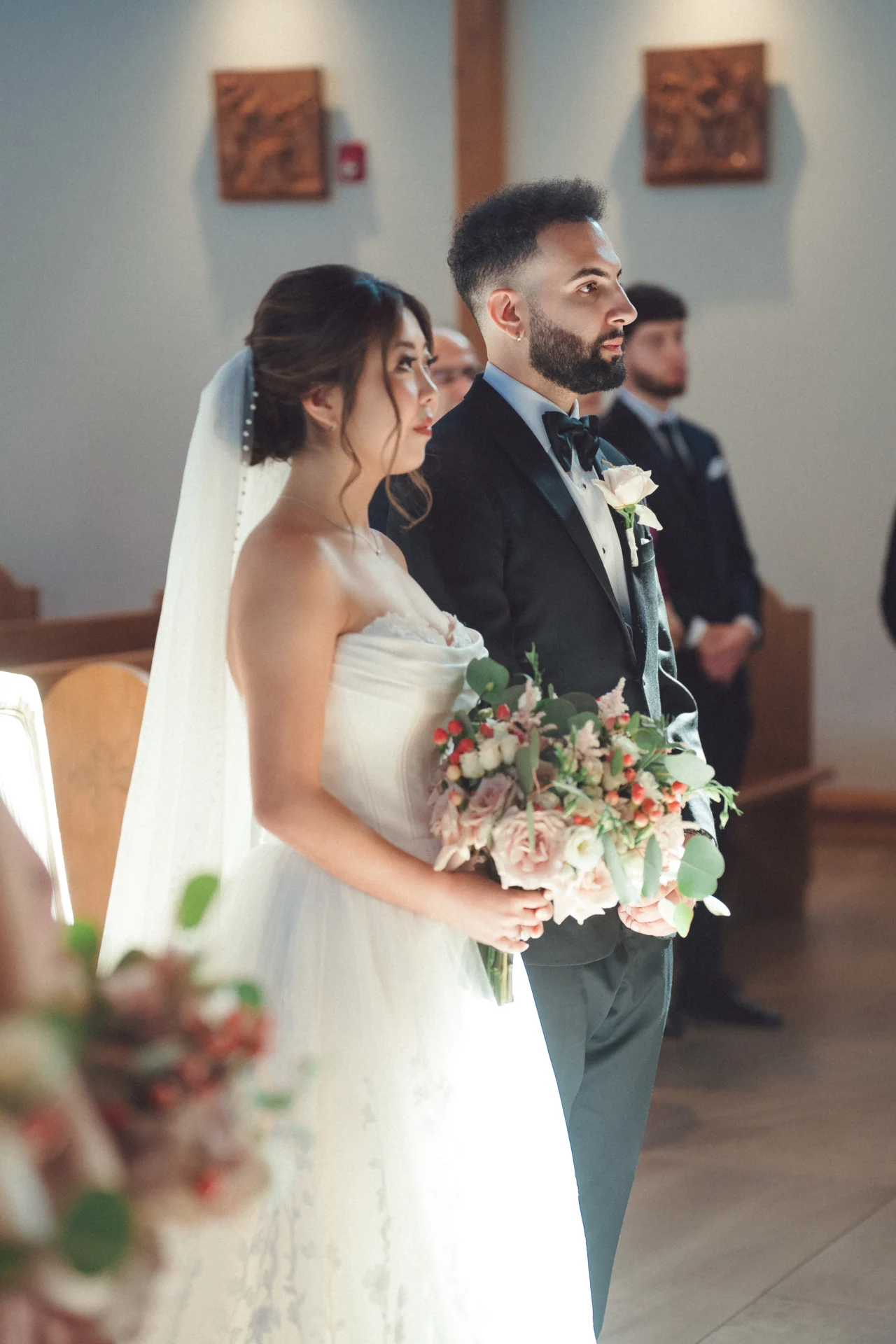
Now comes the fun part. You already have an idea of how the day will flow. Time to visually blend traditions through outfits, colours, or ceremonial objects. Using music to transition between cultural elements might help you and your guests feel like they are in the right place.
Think of it this way, you’re not jamming traditions from two cultures into one, you’re creating something new.
Step 6: Plan Food, Catering, and Cultural Menus
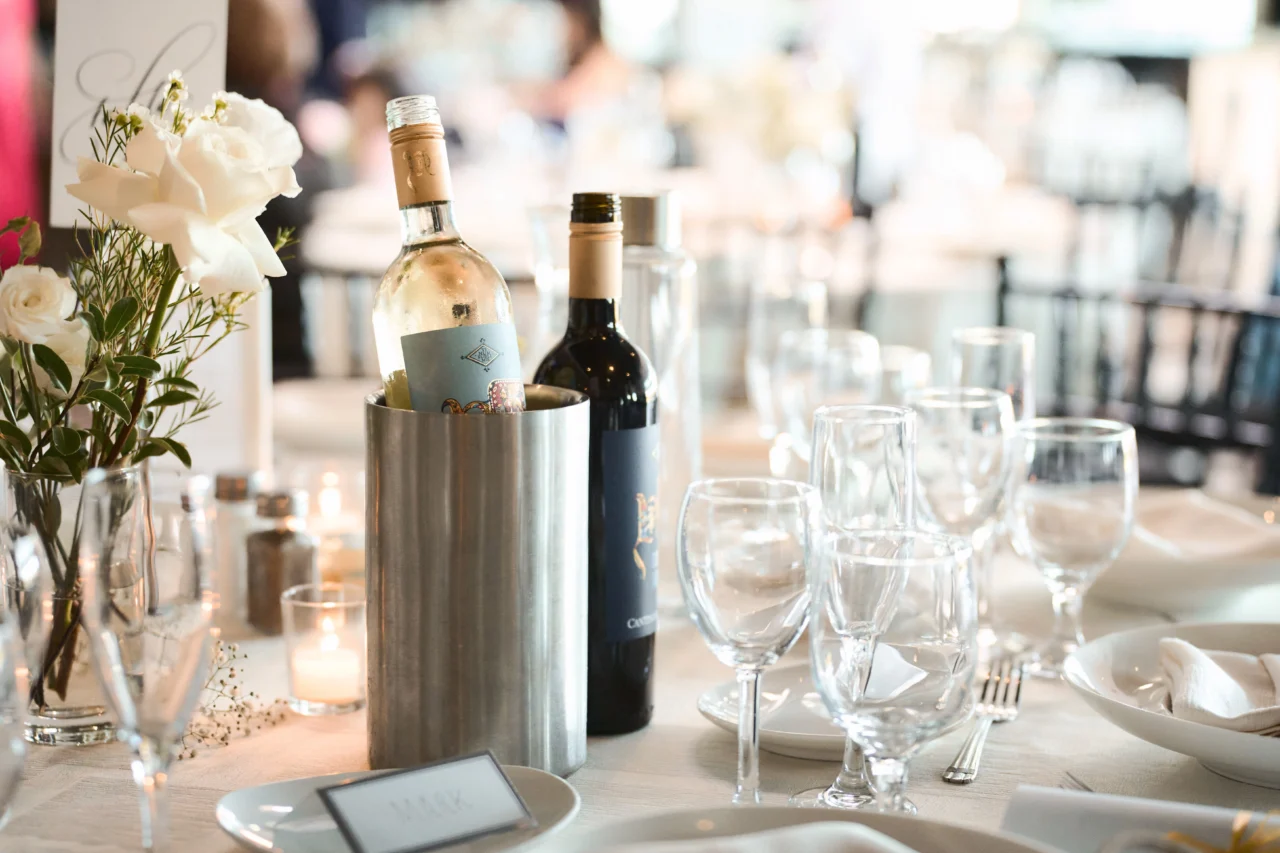
For some cultures, food is one of the most important elements. That is how they show respect and celebration. It’s also time to think about any dietary restrictions that one culture might have, such as alal, kosher, vegetarian, etc.
Also,o keep in mind that it might be the first time for a certain family to be having food from a specific culture. Doing tastings with both families will make life easier and more predictable.
And lastly, think about your guestlist. Are most of your guests from a certain culture? It might be a good idea to be practical and prioritize what your guests will actually eat.
Step 7: Select Outfits, Styling, and Cultural Attire
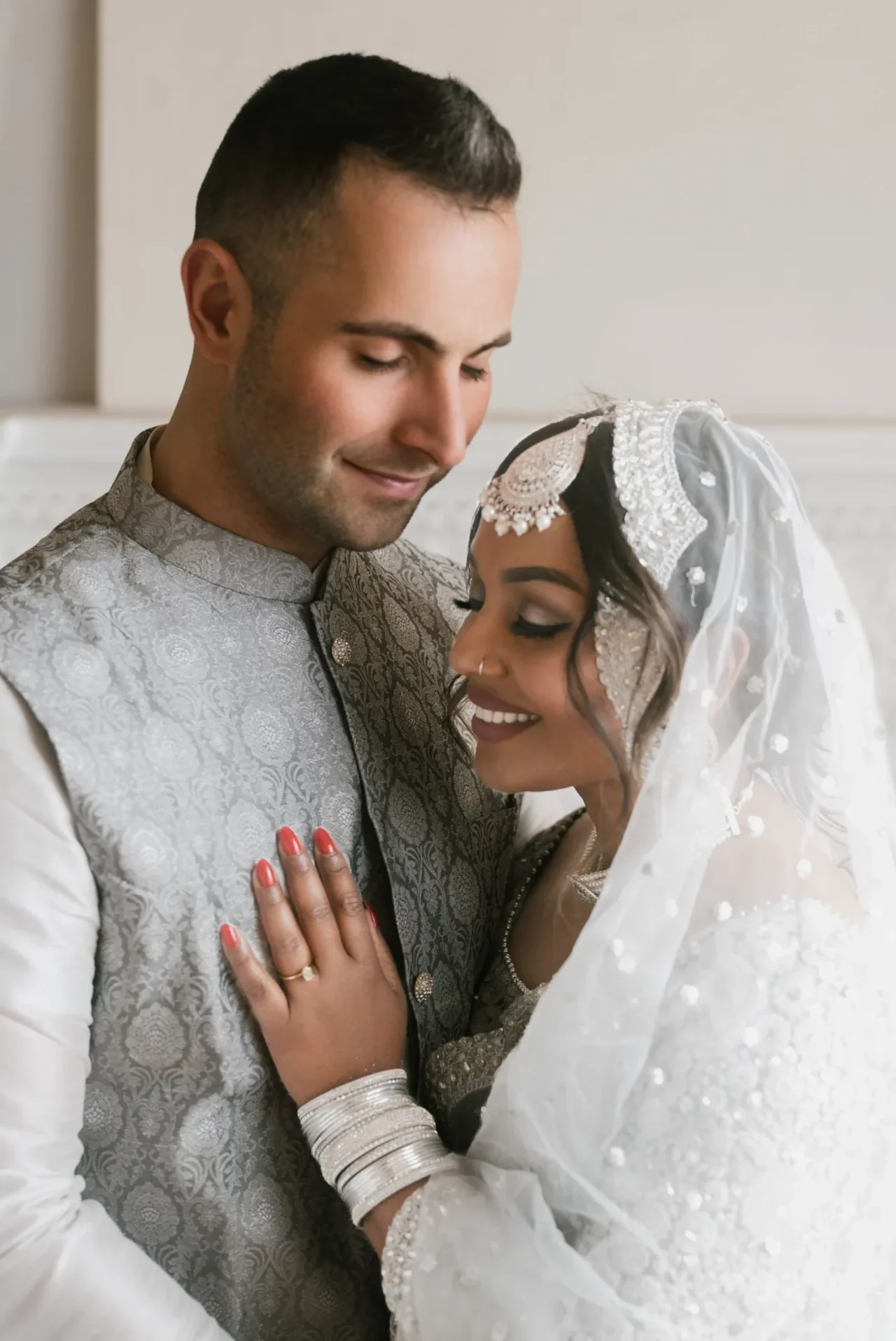
Now it’s time to decide how many outfit changes are realistic for the day. I’ve seen upto four outfit changes during a multicultural wedding, but there is no limit to this. And it’s not just outfits, it’s also hair, makeup, accessories, etc.
It’s a balancing act between looking good and feeling good. If you don’t feel comfortable, it’s gonna be very evident in your pictures. Speaking of, each outfit will also needitss own mini portrait session. So, accounting for that in your timeline is really important.
Step 8: Arrange Music, Entertainment, and Performances
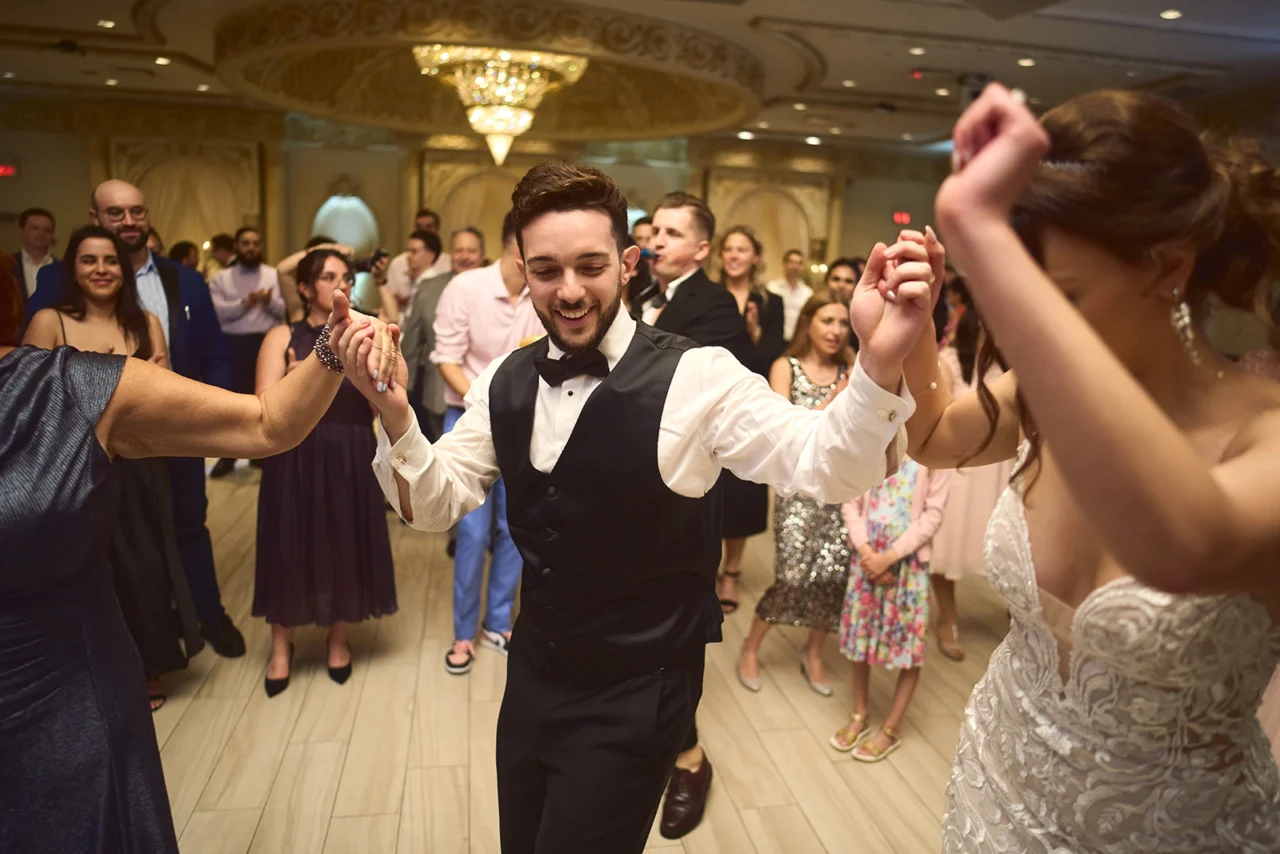
Some cultures rely heavily on music and entertainment as elements of celebration. Some South Asian cultures have Live dhol or choreographed dances as part of the day, while some Chinese weddings include the lion dance. Even the non-culturally heavy weddings have an entrance performance by the wedding party, parents, and the wedding couple, along with a first dance by the bride and groom, father-daughter dance, and mother-son dance.
These are just some examples of what elements might need to be included. Almost every wedding includes a live DJ. So, it’s a good idea to communicate your expectations clearly to the DJ and let them help with transitions between musical elements.
Step 9: Prepare Invitations, Signage, and Guest Communication
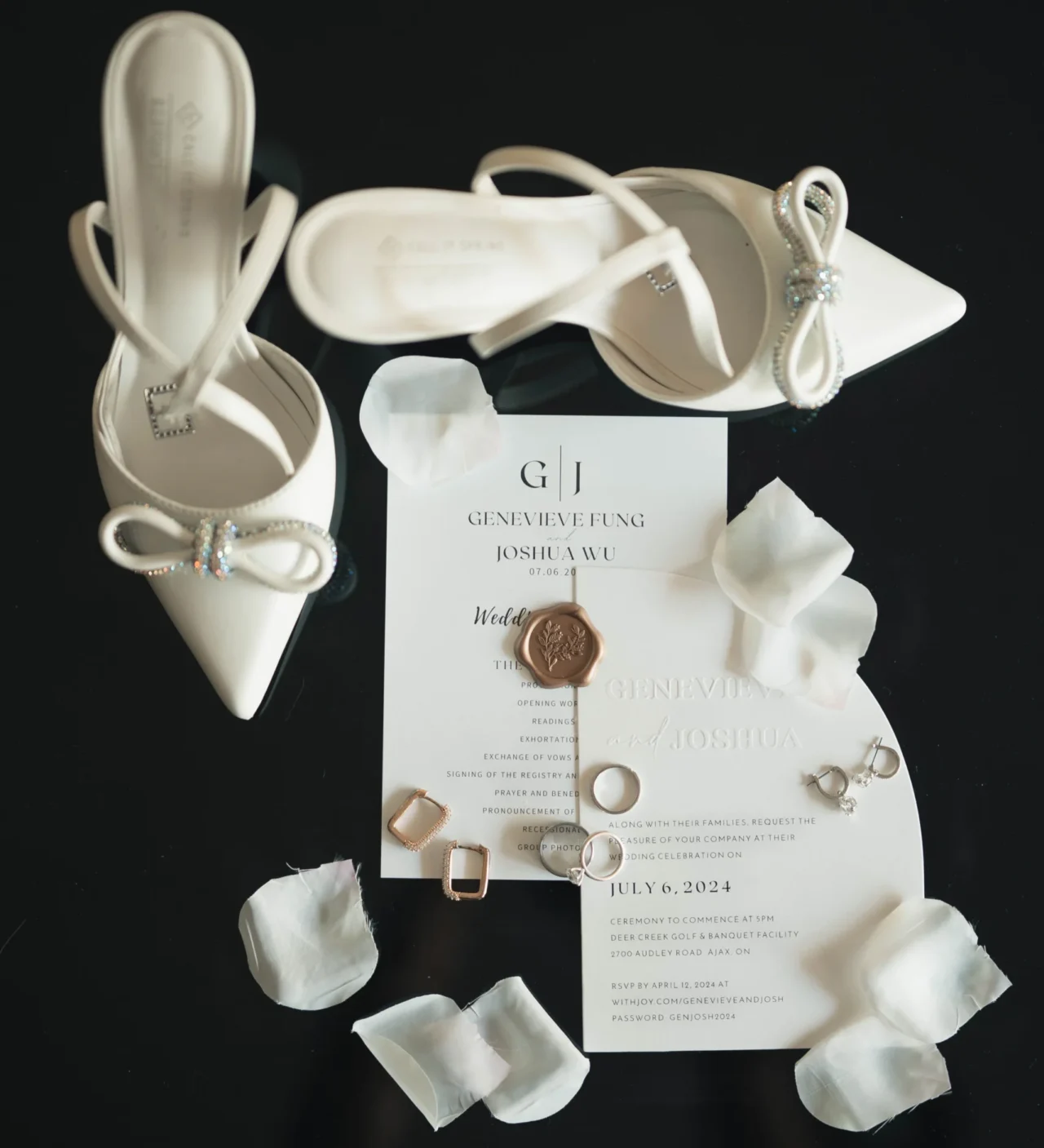
Depending on the cultures involved, you might need to have two or three sets of invitations. You might not want everyone to be present during the entire day. You might also need to prepare invitations in different languages. Some invitations could include explanations for the traditions from other cultures. For example, explaining cultural events (tea ceremony, Baraat, Nikah, etc.) in simple terms.
How the day flows will also depend on the culture. In some cultures, having the day flow according to the timeline is rarely possible, and everything runs a bit late. That is considered normal. An honest conversation with your partner will reveal if this is the case, and it would be helpful to have a timeline that is aware of this. A general rule of thumb is to avoid assumptions about what the guests already know.
Step 10: Build a Realistic Multicultural Wedding Budget
Multicultural weddings almost always end up having additional expenses. Longer venue bookings, more time for photo and video are common expenses for multicultural weddings. A good starting point is the cost calculator found here. This will take care of the basics like venue, outfits, decor, food, etc. Test scenarios here and decide where you want to splurge and where you can save. Then, you can go in and add additional expenses based on your preferences and culture, like culture-specific vendors. With multicultural weddings, it’s very common for the families of both partners to pool in resources to make the day possible.

Tips for Planning a Multicultural Wedding Successfully
Planning Tips for Couples
Start by accepting that your wedding will not look like a template. Multicultural weddings work best when you plan with flexibility instead of perfection. Build buffer time into everything, question assumptions early, and make decisions together before outside opinions enter the conversation. If something feels forced, it probably is.
Communication Tips for Families
Be clear, early, and consistent. Share updates instead of surprises. When families feel informed, they’re more likely to be supportive. It also helps to explain why certain decisions were made, especially when traditions are being modified or shortened.
Guest Experience Tips
Guests don’t need to understand every tradition, but they do need clarity. Clear signage, simple explanations, and intentional pacing help guests feel included rather than confused. Comfort and flow matter more than covering every ritual.
Common Mistakes to Avoid in a Multicultural Wedding
What to Do
- Prioritize meaning over volume
- Ask questions instead of assuming
- Leave room for rest and transitions
- Be realistic about time and energy
What to Avoid
- Trying to include everything
- Overloading the schedule
- Relying on guests to “figure it out.”
- Letting one culture dominate by default
- Making last-minute changes to ceremonial elements
Creative Ways to Blend Traditions from Around the World
Tea Ceremony Traditions
Tea ceremonies can be adapted into intimate moments before or after the main ceremony, allowing family participation without slowing the day down.
Unity Rituals
Many cultures include symbolic unity rituals. These can often be combined into a single moment that reflects shared values rather than separate customs.
Mehndi or Henna Ceremonies
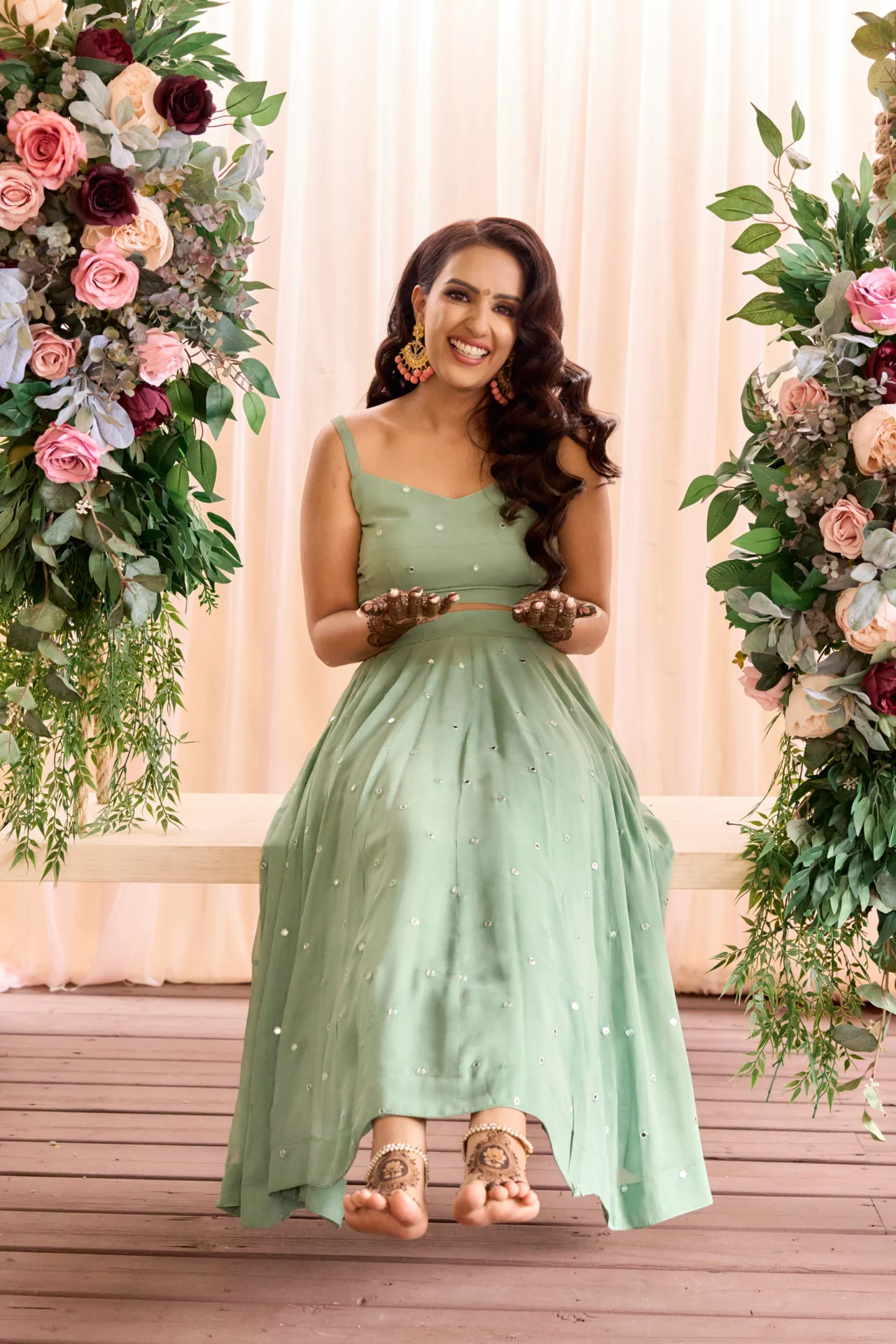
Since Henna takes time to sry, this event doesn’t need to be large or formal. Smaller gatherings or pre-wedding sessions can still carry cultural significance without adding pressure.
Breaking the Glass Tradition
This moment can be paired with another closing ritual, allowing symbolism to remain while keeping the ceremony concise.
Money Dance Tradition
If this is part of your culture, setting clear expectations helps guests understand participation without discomfort.
Using Symbolic Colors and Fabrics
Sometimes blending traditions visually, through fabric, colours, or décor, is more effective than stacking rituals.
Multicultural Wedding Planning Trends for 2026
Eco-Friendly and Sustainable Weddings
Couples are becoming more intentional about waste, reusing outfits, minimizing décor, and choosing vendors with sustainable practices.
Digital Invitations and Virtual Guests
Digital communication continues to grow, especially for international guests who can’t attend in person.
Fusion Fashion Trends
Outfits that combine silhouettes, fabrics, or styling elements from multiple cultures are becoming more common.
Modern Cultural Entertainment
Couples are opting for shorter, high-impact performances rather than long entertainment blocks.
Final Thoughts on Planning a Multicultural Wedding in 2026
Planning a multicultural wedding takes more effort than a traditional one, but it also offers more room for intention. You’re not just planning a celebration. You’re navigating family history, cultural identity, and expectations that have been shaped over generations. That’s not a small task, and it’s normal for it to feel overwhelming at times.
The key is remembering that your wedding doesn’t need to represent everything about both cultures. It needs to represent you as a couple. Some traditions will feel essential. Others may feel meaningful but optional. Giving yourselves permission to adapt, shorten, or even leave out certain elements is part of the process, not a failure.
Clear communication, realistic timelines, and thoughtful planning will do more for your wedding day than trying to meet every expectation. When decisions are made early and with intention, the day flows better for you, your families, and your guests.
If there’s one thing to take away, it’s this: a successful multicultural wedding isn’t about balance on paper. It’s about creating a day that feels respectful, manageable, and genuinely reflective of who you are together.
The additional complexity of multicultural weddings often results in uniquely personal celebrations that guests remember fondly. Each decision represents an opportunity to learn about, appreciate, and share cultural traditions in ways that strengthen relationships between families and communities.
Whether blending two traditions or more, the key to success lies in balance, respect, and genuine appreciation for the cultures being celebrated. With thoughtful planning and clear communication, multicultural weddings in 2026 can create lasting memories while honoring the diverse backgrounds that brought two people together.
Frequently Asked Questions
A wedding that brings together traditions, rituals, or customs from two different cultural backgrounds.
Earlier than average. Ideally, 12–18 months in advance.
By setting boundaries early, listening actively, and focusing on shared goals.
Yes, with careful planning and approval from religious authorities where required.
If language barriers exist, bilingual invitations are helpful and respectful.
Absolutely. Experience with multicultural logistics can reduce stress significantly.